
Reviewed · KOTOR TOURS
Kotor Personal Digital Cultural Guide
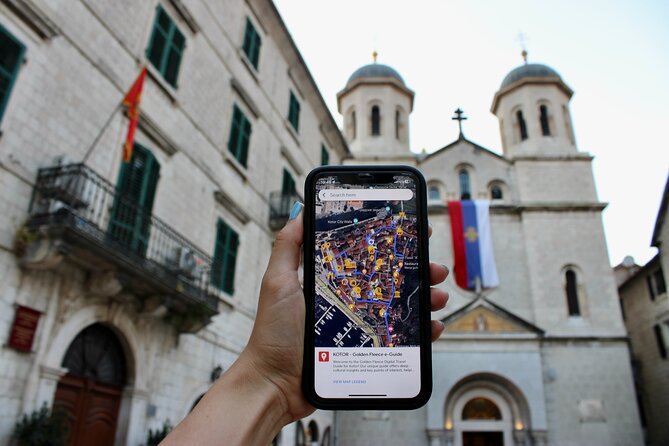
Kotor rewards slow wandering. This private digital guide gives you a clear plan for exploring the medieval Old Town, the Bay of Kotor, hillside forts, local food, transport, music, and nightlife without joining a fixed group. I like the 50-plus-page format and the freedom to set your own pace, especially when you want time for a cafe, church, or viewpoint. I also like that it includes practical help, emergency numbers, maps, and local assistance rather than offering history alone.
The main consideration is simple: this is not an in-person tour. You must read the guide, follow the map, arrange your own transport, and pay optional entry fees separately. The San Giovanni Fortress climb and the outlying forts also require more effort than the relaxed Old Town route.
In This Review
- Five useful things to know before booking
- What this Kotor guide really provides
- Day one: Sea Gate and the core of the Old Town
- Smaller churches and the Cats Museum
- San Giovanni Fortress, best approached with care
- Day two: Dobrota’s waterfront palaces and churches
- Day two continued: quiet Prčanj across the bay
- Day three: abandoned forts and high mountain views
- The best parts of using a digital guide
- Price, timing, and who will value it most
- Should you book the Kotor Personal Digital Cultural Guide?
- FAQ
- How much does the Kotor Personal Digital Cultural Guide cost?
- How long does the experience take?
- Is this an in-person guided tour?
- What format do I receive?
- Does the map require internet access?
- Are attraction entry fees included?
- Is transport included?
- Where does the route begin and end?
- Can I cancel for a refund?
Five useful things to know before booking
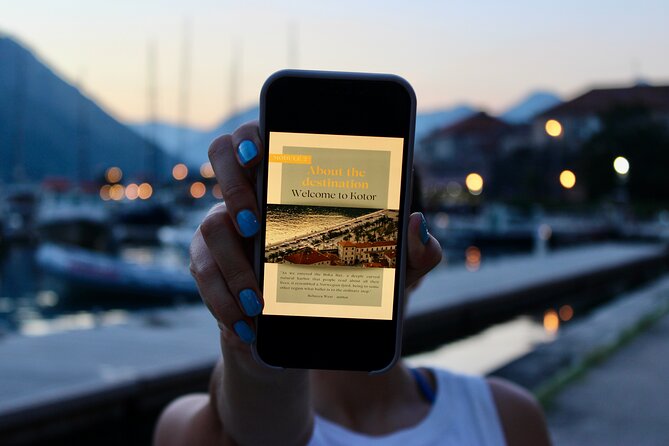
- The guide covers three different Kotor experiences: the compact Old Town, the waterfront villages of Dobrota and Prčanj, and the mountain forts above the bay.
- You pay $13.85 per group of up to four people, making it good value if you are traveling with family or friends.
- The guide works as a PDF and mobile map, with clickable links and instructions for finding each stop.
- The Old Town route includes major landmarks and quieter corners, from Sea Gate and St. Tryphon Cathedral to the Cats Museum and St. Luke’s Square.
- The final day is for independent exploring, with Fort Vrmac, Fort Gorazda, the Kotor Serpentine, and the cable car as possible highlights.
- You receive lifetime access to the electronic guide, even though the suggested sightseeing plan takes about three days.
What this Kotor guide really provides
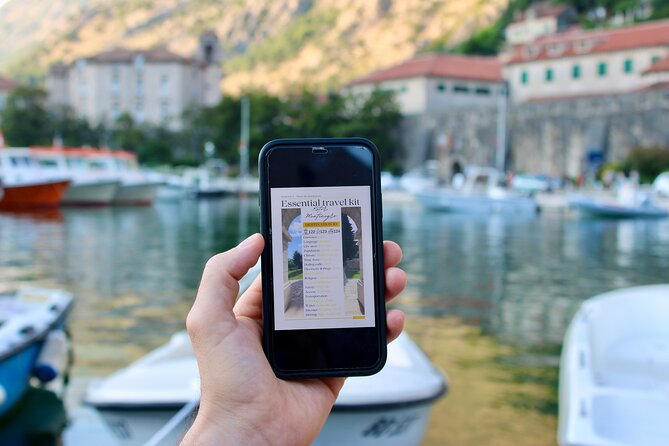
The Golden Fleece Guide is best understood as a self-guided cultural companion, not a standard excursion. You receive a stylish PDF with clickable links, historical and architectural notes, an on-the-go map, practical advice, suggested itineraries, and local contact help.
That format suits Kotor particularly well. The Old Town is compact, but its lanes can feel like a stone puzzle. A church may be tucked behind a plain wall, a square may have several names, and a palace may be easy to miss if you are walking with your eyes fixed on the next major attraction.
I like the way the guide appears to connect the famous sights with smaller details. It takes you past palaces, former religious buildings, old civic spaces, and quieter squares instead of sending you only from one headline attraction to the next.
The cultural material also reaches beyond monuments. You get information about food, music, nightlife, transport, attraction entry, emergency numbers, local secrets, and alternative places. One especially personal touch is the suggested music playlist. That may sound small, but it can help turn a phone-based guide into something you use throughout your stay.
The guide is sold for $13.85 per group of up to four people. For one person, that is already modest. For four people, the cost works out to only a few dollars each, before any optional admissions. You still need to budget for transport, food, museum tickets, and the 12 EUR entrance fee for Kotor Fortress if you choose to enter.
More things to do in Kotor:
- From Dubrovnik: Montenegro Boat Tour from Perast to Kotor
★ 4.7 · 2,804 reviews - Kotor: Blue Cave Swim Stop, Lady of the Rocks & Submarine Base
★ 5.0 · 1,914 reviews - From Kotor: Boat to Blue Cave & Lady of the Rocks &Submarine Base
★ 5.0 · 1,104 reviews
Day one: Sea Gate and the core of the Old Town
Your introduction begins at Sea Gate, identified at CQF9+VVQ in Kotor. You enter Armoury Square, the largest and most prominent square in the Old Town. Allow about 30 minutes here, though you can easily linger longer if you stop for photographs or pause to orient yourself.
The square brings several layers of Kotor together in one place. You can see Providur’s Palace, the City Watch Tower, the Old Clock Tower, the Pillar of Shame, and Napoleon’s Theatre. The appeal is not just the number of buildings. This is where the guide can help you understand how civic, military, and public life once met in the same urban space.
From Armoury Square, the route continues through the Flour Market. You pass the palaces of Pima and Buca before reaching the Square of the Cathedral of St. Tryphon. Plan around 45 minutes for this section, excluding time spent eating.
St. Tryphon Cathedral is the major stop here. The square also contains the Municipality Building, Historical Archive, Roman Catholic Diocese of Kotor, Drago Palace, and the Regional Institute for Conservation of Cultural Monuments. Restaurants provide an easy break, but the cathedral admission is not included, so check the current fee when you arrive.
This part of the walk is where a digital guide earns its keep. Without context, the palaces can blur together. With background on architecture and local institutions, you can look at the square as a working historic center rather than a collection of attractive stone facades.
Smaller churches and the Cats Museum
The next section takes you through Piazza of Salad toward Wood Square. Along the way, you pass the former Austrian prison, the Church of St. Paul, and the Church of St. Anne.
The Church of St. Mary Collegiate is the main stop. Built in the 12th century on the remains of a 6th-century basilica, it gives you a useful reminder that Kotor’s story reaches much further back than its Venetian-era appearance might suggest. Allow 30 minutes. Admission is free.
The route then reaches St. Luke’s Square, once known as Piazza Greca. The square takes its name from the two Orthodox churches located there and served as a focal point for Kotor’s Orthodox community. You have another 30-minute stop, with time to notice how religious life was divided and shared within the fortified city.
The final Old Town stop is Piazza of the Cinema, a small raised square shaded by a large tree. Here you find the Church of St. Michael, Cinema Boka, and the Cats Museum. The guide suggests using the square as a rest stop at one of the local cafes.
This is a pleasant change of rhythm after several formal monuments. The Cats Museum is a lighthearted attraction, but it also fits Kotor’s famous affection for cats. The useful point for you is timing: you can shorten or lengthen this stop depending on your interest, because nobody is waiting for the group to move on.
San Giovanni Fortress, best approached with care
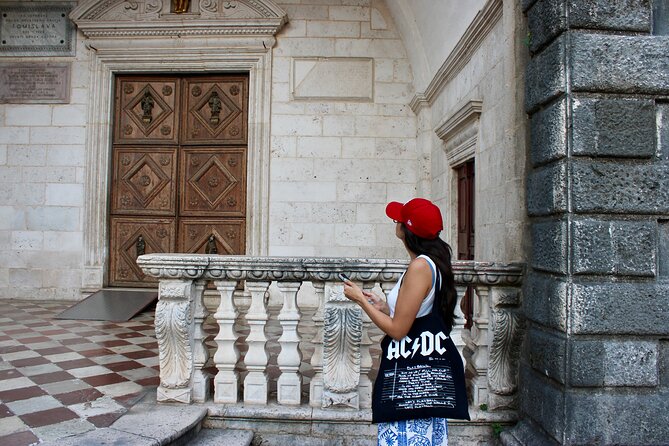
After the Old Town, the plan recommends visiting San Giovanni Fortress in the early evening. Allow about two hours, and remember that the entrance fee is not included. The listed cost is 12 EUR.
The fortress sits on San Giovanni hill and forms part of Kotor’s major defensive system. Its walls reach up to 20 meters high and extend for more than 4.5 kilometers. The fortifications developed over roughly a thousand years, from the 9th through the 19th century.
You should treat this as the most demanding part of the first day. The Old Town walk is easy to adjust, but the fortress requires a climb and a longer block of time. Go only if you feel comfortable with the effort, and avoid squeezing it between a late lunch and an evening plan.
The payoff is the setting above the city and bay. The guide gives you the historical frame, while the climb gives you the physical sense of why Kotor’s defenses were built where they were. Early evening can also be a sensible time because the suggested schedule places it after the Old Town route, but the guide does not promise a particular weather or crowd condition.
A few more options to weigh up in Kotor
- Blue Cave Guided Tour in Kotor Bay
★ 5.0 · 91 reviews - Speed Boat 3-Hour Guided Tour at the Blue Cave
★ 5.0 · 46 reviews - Kotor & Perast: Guided Day Trip From Dubrovnik
★ 4.2 · 40 reviews - Kotor private cooking class with lunch and Old town guided tour
★ 5.0 · 35 reviews
Day two: Dobrota’s waterfront palaces and churches
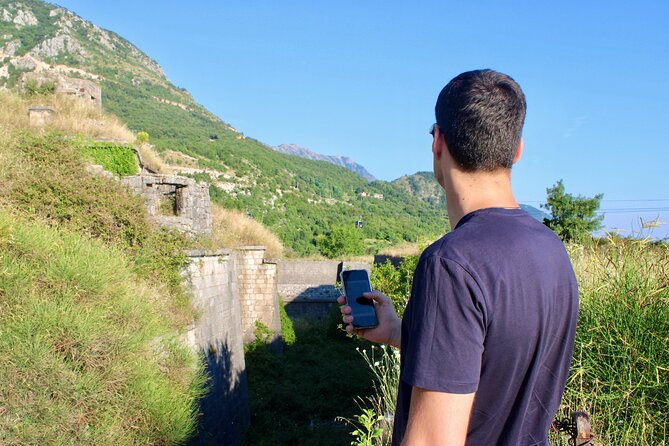
Day two leaves the walls behind for Dobrota, the largest settlement in the municipality of Kotor. It stretches about 8 kilometers along the sea and has roughly 8,000 residents.
Plan around three hours. The route follows the waterfront promenade, where small stone piers, old palaces, churches, seaside cafes, and restaurants shape a slower experience than the Old Town. The promenade is a strong reason to use this guide for more than a quick city visit. You see how the bay’s settlements connect daily life with the water.
The suggested stops include Palace Radoničić, now associated with the Institute of Marine Biology, along with the Church of St. Elijah, Palace Milošević, the Church of St. Matthias, the Rooster’s Tower Palace, Palace Tripković, the Church of St. Eustachius, and Palace Ivanović.
Admission is free for these stops. You may find that some buildings are best appreciated from outside, so the guide’s architectural notes matter. It gives you a reason to slow down and compare the palaces rather than simply walking along the shore.
Dobrota also contains the Faculty of Maritime Studies, the Institute of Marine Biology, and a home for pupils and students. Those details give the settlement a living identity. It is not presented only as a scenic waterfront for visitors.
Day two continued: quiet Prčanj across the bay
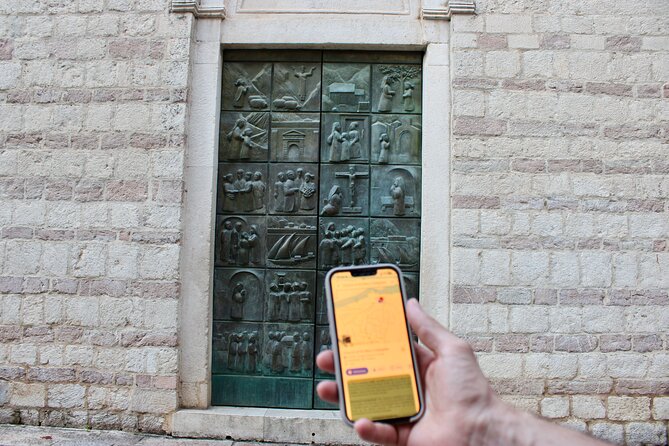
The second three-hour block takes you to Prčanj, a small village on the opposite side of the Bay of Kotor from Dobrota. It has just over 1,000 residents and is described as one of the least busy spots in the Kotor area.
Prčanj sits along the Vrmac coast and is known for its mild climate and seaside promenade. You can expect a quieter rhythm, Mediterranean cafes, restaurants, churches, and views across the water and toward the hills.
The route includes Palace Tre Sorelle, Palace Luković, the Old Parish Church, the Church of St. Peter of Montenegro, the Church of St. Nicholas, Our Lady’s Temple, Njegoš’s Villa, the Church of St. John the Baptist, Palace Verona, and Palace Florio-Luković.
This is a full list, and you should not read it as a promise that every interior will be open. The value lies in having a route through a village that is easy to skip if you stay only in Kotor’s center.
Transport is your responsibility. The guide includes transport advice, but the experience does not include a driver or vehicle. That is an important distinction when planning a day across the bay. Allow extra flexibility for getting between locations, and use the digital map only when you have an internet connection.
Day three: abandoned forts and high mountain views
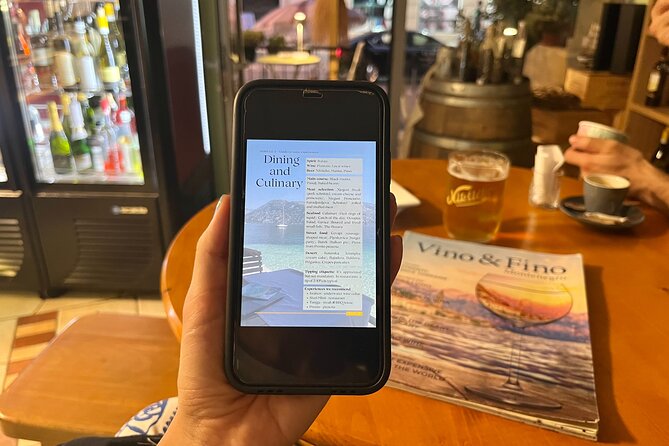
The third day is the most specialized. It moves into the military history of the Bay of Kotor, beginning with Fort Vrmac.
Fort Vrmac is an Austro-Hungarian fortification on the Vrmac ridge near Tivat. It was established in 1860, while the present structure was built between 1894 and 1897. Allow about two hours.
The fort is described as one of the best-preserved Austro-Hungarian fortifications in the bay area. This makes it a strong choice for anyone interested in military architecture, abandoned places, or the defensive network above Kotor. Admission is free.
Fort Gorazda takes another two hours. Built by the Austro-Hungarian Empire between 1884 and 1886, it contains a 100-ton Gruson rotating turret, described as the last of its kind. During World War I, the fort exchanged artillery fire with Montenegrin batteries on Mount Lovćen and remained intact after an Austrian offensive in 1916.
It later served as a Yugoslav Army depot until the early 1990s. Today it is abandoned and open to public visits. That wording should make you cautious. This is not presented as a staffed museum with polished exhibits. You are going to an old military site, so follow the guide’s directions and use sensible care.
The final major outing is the Kotor Serpentine, a road with 25 sharp bends climbing to about 900 meters above sea level. The route offers dramatic viewpoints and includes Bar Horizont as a recommended cafe stop.
The guide also points to the newer Kotor cable car, which rises to 1,316 meters. At the top, you can find a cafe with cakes and rent a bicycle. The cable car and its costs are not included in the guide price, so check current operating details before building your day around it.
The best parts of using a digital guide
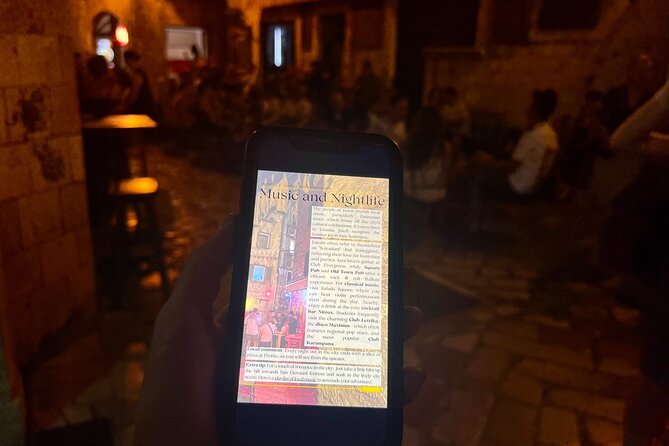
I like this format for people who want structure without a tour group. You can follow the suggested plan closely, or use the guide as a menu and choose only the parts that match your interests.
The strongest features are:
- Clickable PDF links: Useful for moving between cultural notes, maps, and practical information.
- On-the-go map: Helpful in Kotor’s narrow lanes, though it requires an internet connection.
- Local assistance: Direct help is available during your stay, which adds reassurance to an otherwise independent format.
- Food, music, and nightlife advice: These details help the guide feel connected to life beyond monuments.
- Emergency numbers: A small but valuable feature, especially for visitors unfamiliar with Montenegro.
- Lifetime access: You can keep the electronic guide after the three-day plan ends.
The single published rating is five out of five, and the accompanying feedback gives the guide one clear strength: it explains Kotor’s culture and history in a way that is enjoyable enough to read more than once. The writer compared the experience to having a local friend along and planned to read the guide again at home.
That is useful praise because it points to the guide’s likely advantage. It is not just a navigation file. It is designed to give you background before and during your visit, then remain useful after you leave.
Price, timing, and who will value it most
At $13.85 for up to four people, this is inexpensive compared with an in-person private tour. You do not pay for a guide’s time on the street, but you also do not receive live explanations, spontaneous route changes, or help interpreting a building as you look at it.
The plan takes about three days, but each day contains several hours of suggested sightseeing. Day one covers the Old Town and San Giovanni Fortress. Day two requires movement to Dobrota and Prčanj. Day three is more demanding and may appeal most to visitors who enjoy forts, roads, and viewpoints.
I would choose this guide if you:
- Prefer exploring privately rather than joining a group
- Want historical and cultural context at a low cost
- Are comfortable reading a PDF and using a phone map
- Have at least two or three days in the Kotor area
- Want to see more than the cruise-port center
- Enjoy deciding when to stop for food, photos, or coffee
I would think twice if you want a fully hosted experience. There is no in-person guide, no audio tour, and no accommodation. You must manage your own movement between locations, and the map needs internet access.
The activity is private, with only your group participating. Most people can take part, and service animals are allowed. It is not adapted for people with visual impairments, which is an important limitation.
Should you book the Kotor Personal Digital Cultural Guide?
I would book it if you want a low-cost framework for seeing Kotor on your own terms. The best value comes from using more than the Old Town section. The guide becomes much more useful when you follow the waterfront through Dobrota, make time for quiet Prčanj, and reserve a day for the forts and mountain viewpoints.
If you have only a few hours between cruise calls, the Old Town route may be enough, but the three-day design will be more than you can use. If you want a person beside you explaining every stop, choose an in-person tour instead.
For independent visitors who enjoy local context, flexible timing, and a practical map, this guide offers a lot for $13.85 per group. Just budget separately for transport, optional museum admissions, San Giovanni Fortress, and the cable car if you choose those extras. Free cancellation is available up to 24 hours before the start time. Inside that window, the payment is not refunded.
FAQ
How much does the Kotor Personal Digital Cultural Guide cost?
The price is $13.85 per group, with up to four people included.
How long does the experience take?
The suggested experience lasts approximately three days. The guide itself remains accessible for a lifetime.
Is this an in-person guided tour?
No. It is a self-guided digital experience. An in-person tour guide and an audio guide are not included.
What format do I receive?
You receive a stylish PDF guide with clickable links, an on-the-go map, and instructions for using it.
Does the map require internet access?
Yes. An internet connection is needed for the on-the-go map. The guide itself is an electronic PDF.
Are attraction entry fees included?
No. Optional museum admissions cost less than 15 EUR in total, and the Kotor Fortress entrance fee is listed as 12 EUR.
Is transport included?
No. Transport is not included, although the guide provides practical transport tips.
Where does the route begin and end?
The activity begins at Sea Gate in Kotor, at location code CQF9+VVQ. It ends back at the meeting point.
Can I cancel for a refund?
Yes. You can cancel at least 24 hours before the experience start time for a full refund. Cancellations or changes made less than 24 hours before the start time are not accepted for a refund.
Just added in Kotor
- Private Full-Day Tour -Kotor tour, Saint Stefan & NP Skadar Lake★ 5.0 · 11 reviews
- Private Montenegro Tour – Cetinje, Kotor & Budva visit★ 4.5 · 3 reviews
- Bay of Kotor hiking experience – Montenegro Travel Club private tour★ 5.0 · 2 reviews
- Wine tasting and magical tour from Kotor, Budva, Tivat (Lovcen,Skadar lake)★ 5.0 · 10 reviews
- Wild Beauty of Montenegro – Private Tour★ 5.0 · 3 reviews
- Port of Bar private tour- Budva old town and St. Stefan viewpoint★ 5.0 · 1 review
- Tour by train★ 5.0 · 1 review
- Transfer from Kotor to Dubrovnik city★ 5.0 · 10 reviews
Kotor Tours, compared.
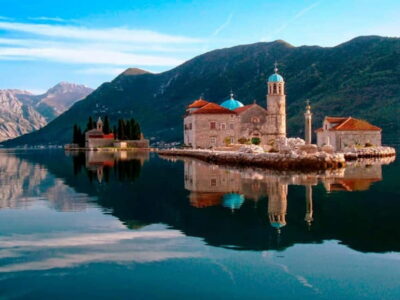
From Dubrovnik: Montenegro Boat Tour from Perast to Kotor
Read our review →
Blue Cave Swim Stop, Lady of the Rocks & Submarine Base
Read our review →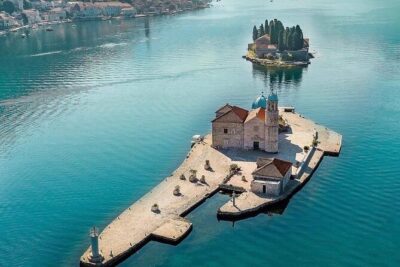
Boat to Blue Cave & Lady of the Rocks &Submarine Base
Read our review →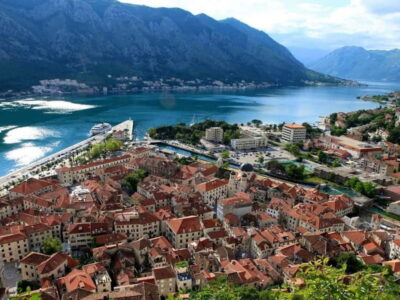
From Dubrovnik: Montenegro Day Trip with Boat Cruise
Read our review →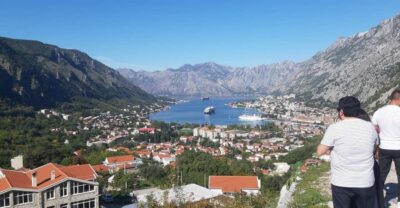
From Dubrovnik: Perast, Kotor & Budva Small-Group Day Trip
Read our review →
Great Montenegro Tour-Lovcen NP,Mausoleum Lovcen,River of Crnojevic,Sveti Stefan
Read our review →
From Dubrovnik: Montenegro Day Trip with Cruise in Kotor Bay
Read our review →
Blue cave, Mamula island, Submarine tunnels and Our lady of the Rocks (3h)
Read our review →Browse the lists this tour appears in