
Reviewed · MONTENEGRO
Balkan pita making culinary experience
The best souvenir here is a cooking skill. This private class takes you to a village home outside Podgorica, where you learn to stretch Balkan pita dough, prepare lunch, and eat the results. I like the hands-on lesson and the chance to meet Dijana and her family in their own home. The main consideration is transport, since the experience is outside the city, although pickup may be available.
I also like the small, private format. You are not watching a chef work behind a counter. You are standing at the table, trying the difficult part yourself, spreading the dough until it becomes thin enough for dishes such as burek and zeljanica. The $50 price is fair for a two-and-a-half-hour private class with lunch, but drinks cost extra and the menu is focused on pita rather than a full tour of Montenegrin cooking.
In This Review
- Key points to know before booking
- Why Balkan pita makes a good Podgorica food experience
- Arriving at the village home near Podgorica
- The 10:00 a.m. introduction to pita dough
- The table technique that makes the class special
- Baking burek and zeljanica for lunch
- What the private format means for you
- Is $50 a good value for two and a half hours?
- Who will enjoy this cooking class most
- Practical details that affect the day
- My verdict on the Balkan pita class
- FAQ
- Where does the Balkan pita making experience take place?
- What time does the experience start?
- How long does the cooking class last?
- Is hotel pickup available?
- What food is included?
- Are drinks included?
- Is this a private activity?
- Can I cancel for a full refund?
Key points to know before booking
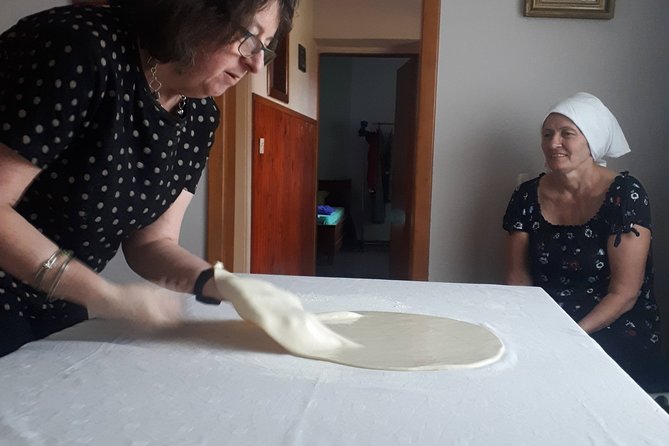
- You stretch the dough yourself: The central skill is spreading pita dough across a table, a tricky technique that gives the class its sense of achievement.
- The setting is a local village home: You cook with a family near Podgorica instead of attending a standard restaurant demonstration.
- Lunch is part of the lesson: Your baked creations include Balkan favorites such as burek and zeljanica.
- The class is private: Only your group participates, allowing the host to give more personal instruction.
- Pickup may solve the transport problem: Hotel pickup and drop-off are offered if you do not have a vehicle, but confirm this when booking.
- The schedule is easy to fit into a day: Start time is 10:00 a.m., and the experience lasts about 2 hours and 30 minutes.
Why Balkan pita makes a good Podgorica food experience
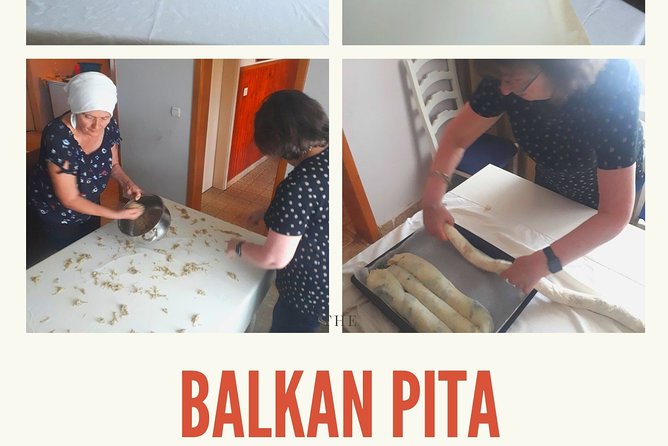
Pita is not one single dish. It is the dough and the method used to make several Balkan pastries and pies. Burek is commonly filled with meat, while zeljanica is associated with greens. Here, the focus is not simply on eating a finished pie. You learn the basic dough technique behind the meal.
That matters because the hardest step is also the most memorable. The dough is spread over a table until it becomes very thin. At first, this can look nearly impossible. The class is built around learning the host’s method, then finding out that your own hands can actually manage it.
I like this kind of food lesson because it gives you something useful to take home. You may not reproduce the technique perfectly on your first attempt, but you will understand how Balkan pita is made and why handmade versions have such a distinctive texture.
The meal also gives the activity a clear purpose. You are not shaping dough merely for practice. You are preparing lunch that will go into the oven and return as the meal you eat together.
Other trips worth a look in Podgorica:
- Skadar Lake National Park Guided Boat Tour with Wooden Boat
★ 5.0 · 91 reviews - Best from our coast (Kotor bay, Budva, Sv Stefan, Skadar lake)
★ 5.0 · 79 reviews - GREAT MONTENEGRO TOUR Cetinje – Njeguši – Kotor – Budva – Bečići – Saint Stefan
★ 5.0 · 69 reviews
Arriving at the village home near Podgorica
The experience begins at 10:00 a.m. in Podgorica, with the activity ending back at the meeting point. The actual cooking takes place in a local household in a village near the city, so check the pickup details carefully if you are staying in a hotel and do not have a car.
Pickup and drop-off may be arranged, which is useful because a village cooking class can be difficult to organize independently. If you are driving, the meeting information should still be confirmed before the day of the class. The available details identify Podgorica as the start point but do not give a precise village address in advance.
On arrival, the host meets you and explains how the class will work. Dijana and her family are part of the welcome, and the atmosphere is presented as friendly and informal. A personal introduction helps this feel like a visit to a household, not a commercial kitchen with a fixed script.
The setting is one of the experience’s strongest features. You see where the food is made and take part in a family-style meal. At the same time, you should book this for the home setting, not for a polished cooking school with professional workstations or a long list of dishes.
The 10:00 a.m. introduction to pita dough
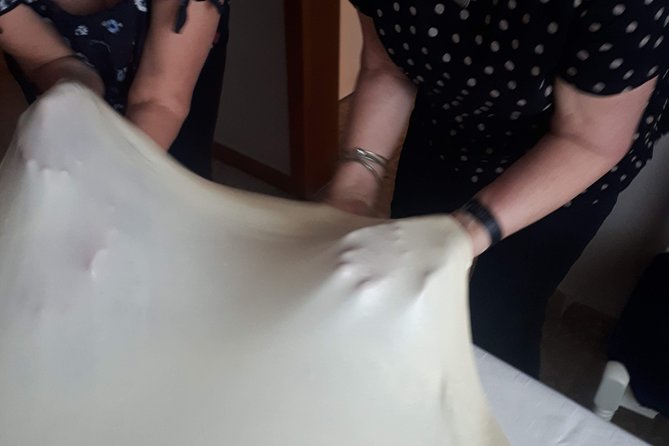
The lesson starts with an explanation of pita and the process used to prepare it. The host and local chef guide you through the recipe, including the basic dough work needed for the pies.
The supplied information does not give exact ingredient quantities or a full recipe, so you should not expect a printed formula unless the host provides one during the class. The value is in seeing and practicing the technique under guidance.
This is also where the food’s local context enters the visit. Dijana and her family explain some of the history of the food and the area, adding a cultural note to the practical instruction. It is not a formal lecture, and that is part of the appeal. You learn about the dish while working with it.
Because the class is private, you can ask questions without worrying about holding up a large group. If the dough feels difficult, the host can focus on showing you the hand movements again. That personal attention is harder to get in a big group lesson.
The table technique that makes the class special
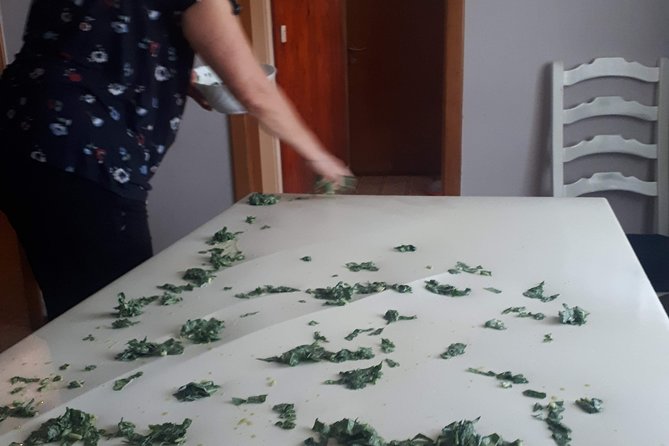
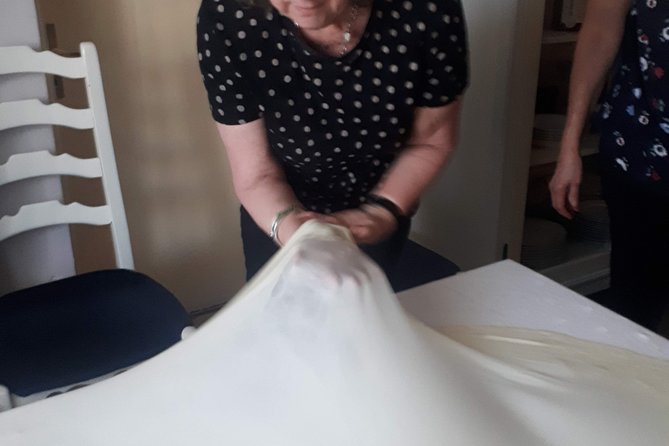
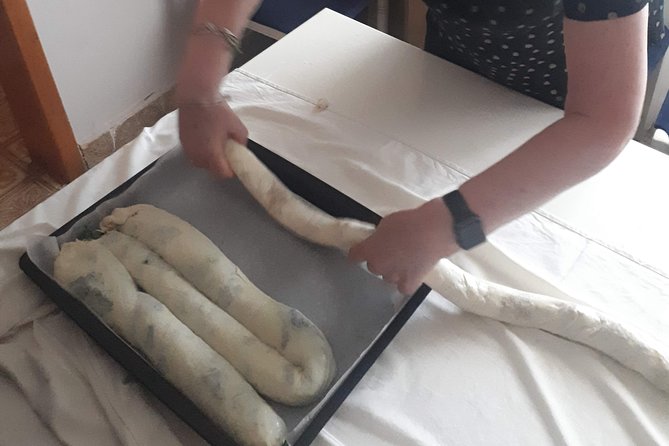
Spreading the dough across the table is the heart of the experience. It looks difficult because the dough must be handled carefully and stretched thin without ruining it. The host shows you the secret of the method, then gives you the chance to try it yourself.
This is the point where the class becomes more than a food tasting. You are learning a physical skill. Your first attempt may not look like the host’s, but the process is meant to be approachable for ordinary participants rather than only experienced cooks.
I would wear comfortable clothes and shoes that you do not mind wearing in a working kitchen. That is practical advice rather than a formal requirement, since the activity involves active preparation at a table. The available information does not specify an apron, kitchen equipment, or special clothing.
The dough technique also explains why this experience would be hard to arrange on your own. You would need to find a local household willing to host you, learn the correct method, and have access to the right cooking space. The class combines all three in one short visit.
A completely different kind of day out:
- Skadar Lake National Park: Guided Boat Tour to Kom Monastery
★ 4.5 · 49 reviews - Private transfers from Podgorica Airport and city to Budva
★ 5.0 · 41 reviews - Durmitor – Black Lake & Tara River Canyon – North Montenegro tour
★ 5.0 · 41 reviews - Podgorica Historic, Safari and Winery tour – Skadar lake and River Crnojevica
★ 4.5 · 39 reviews
Baking burek and zeljanica for lunch
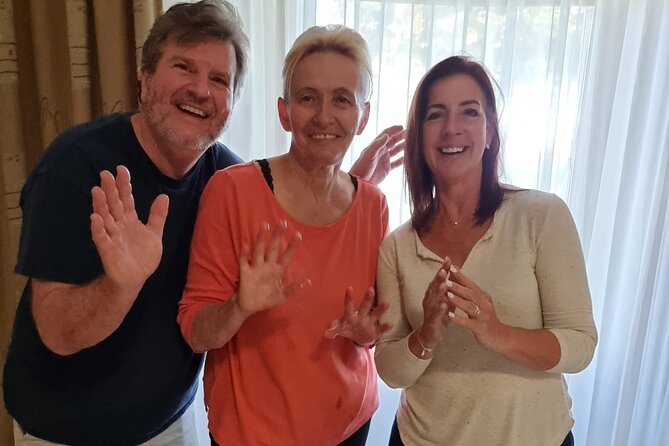
Once the dough is prepared, you make your own lunch using the host’s recipes. The included meal is Balkan pita, with burek and zeljanica specifically identified as part of the food served.
Burek gives you a chance to taste the better-known savory pie style. Zeljanica offers a different filling and shows how the same broad pita tradition can produce another dish. The exact fillings and serving details are not specified, so the experience is best approached as a guided local menu rather than a fully customizable cooking session.
The finished pita is baked in the oven at the end of the culinary course. Eating food you have helped prepare gives the class a satisfying finish, especially after the effort of handling the dough.
Lunch is included in the $50 price. Alcoholic drinks are not included, and other drinks are optional, so plan to pay extra if you want them. The food is the main feature here, not a beverage pairing or an extended restaurant meal.
What the private format means for you
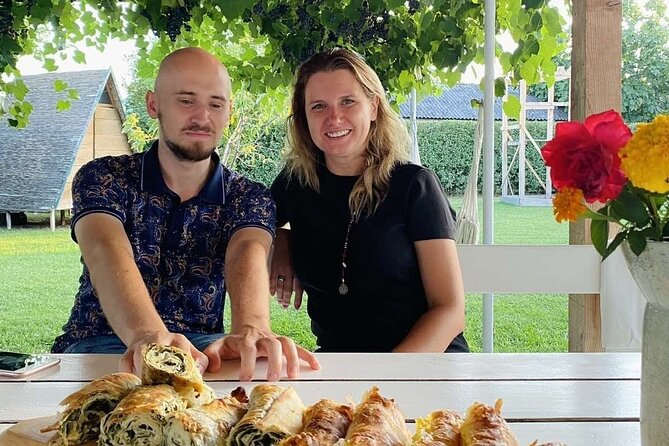
This is a private activity, so only your group participates. That makes it a good fit for couples, families, or friends who want a relaxed food experience without sharing the kitchen with a large class.
A private class can also make the instruction more useful. The host can watch how you handle the dough and correct your technique directly. If you are traveling with children or someone who cooks at a slower pace, the smaller format may feel less pressured, though the supplied details do not state a minimum age or provide specific child arrangements.
The family setting adds warmth, but it also means the experience may feel less formal than a professional culinary workshop. You may get a personal conversation and flexible instruction, but you should not expect a highly standardized lesson with a printed schedule for every minute.
That trade-off is worth understanding before you book. The point is local contact and practical participation. If you mainly want a quick meal with no cooking, this is not the best use of your morning.
Is $50 a good value for two and a half hours?
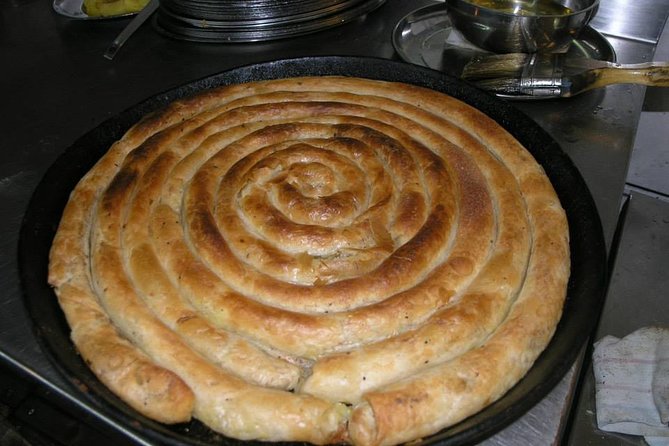
At $50, the price includes a private class, instruction in pita making, and lunch. For a small group, that is a reasonable amount for an activity that includes both a local household visit and a meal.
The value is strongest if you care about the process. You are paying for access to a family kitchen, a local teacher, and a technique that is difficult to learn alone. The food is important, but it is only one part of what you receive.
The value is weaker if you measure the price only by the amount of food. This is not presented as a multi-course cooking day or a market tour. The menu centers on Balkan pita, specifically dishes such as burek and zeljanica, and the class lasts about 2 hours and 30 minutes.
For many visitors, the time is well judged. A 10:00 a.m. start leaves much of the day open for Podgorica, while the length gives you enough time to learn, cook, bake, and eat without turning the activity into a full-day commitment.
Who will enjoy this cooking class most
I would recommend this experience to anyone who prefers local contact over a standard restaurant meal. It suits people who like learning by doing, especially those curious about Balkan food and traditional home cooking.
It is also a smart choice for a short stay in Podgorica. You do not need to spend a full day traveling to another part of Montenegro to find a personal food experience. The village setting is near the city, and pickup may be available if you lack a vehicle.
Food-focused couples and small groups should find the private format especially appealing. The activity gives you a shared task, a chance to talk with the family, and a meal at the end.
You should think twice if you have very limited mobility or do not want to participate in hands-on preparation. The details say most people can take part and that service animals are allowed, but they do not describe the kitchen layout or specific accessibility features. Ask for clarification before booking if you have particular needs.
The experience is also not ideal if you want alcoholic drinks included, a broad tasting of Montenegrin dishes, or a formal professional kitchen. None of those is the main purpose here.
Practical details that affect the day
Confirmation is provided when you book. Public transportation is nearby, although the activity takes place in a village household outside Podgorica, so pickup can be the simpler choice if it is available for your location.
The activity begins at 10:00 a.m. and finishes back at the meeting point. Allow enough time for the journey to and from the home, especially if you have another booking later in the day. The stated duration is approximate.
Service animals are allowed, and most people can participate. Since the kitchen setup is not described in detail, contact the provider with questions about seating, surfaces, or other access needs.
The cancellation policy is generous if your plans change early. You can cancel up to 24 hours before the local start time for a full refund. Cancellations or changes made inside that 24-hour period are not refunded or accepted.
My verdict on the Balkan pita class
Book this class if you want a personal Podgorica experience built around food, family contact, and one useful traditional technique. The strongest parts are the private setting, the chance to stretch the dough yourself, and the pleasure of eating burek and zeljanica after your work.
The main limits are clear: the menu is focused, drinks cost extra, and transport details need checking. Still, at $50 for about two and a half hours with lunch included, this is a solid choice for a morning that feels local rather than packaged.
FAQ
Where does the Balkan pita making experience take place?
It begins in Podgorica, Montenegro, and takes place in a local household in a nearby village outside Podgorica.
What time does the experience start?
The scheduled start time is 10:00 a.m.
How long does the cooking class last?
The experience lasts approximately 2 hours and 30 minutes.
Is hotel pickup available?
Pickup and drop-off are offered as an option, particularly for people who do not have a vehicle. Confirm the details for your accommodation when booking.
What food is included?
Lunch is included. The meal features Balkan pita, including dishes such as burek and zeljanica.
Are drinks included?
Alcoholic beverages and other drinks are not included. Drinks are optional and cost extra.
Is this a private activity?
Yes. Only your group participates in the class.
Can I cancel for a full refund?
Yes, if you cancel at least 24 hours before the experience start time. Cancellations or changes made less than 24 hours before the start are not refunded or accepted.
Just added in Podgorica
- Wine tour- Family winery visit, food tasting & Skadar Lake boat cruise★ 5.0 · 4 reviews
- Private Wine Tasting Activity at Lipovac Winery★ 5.0 · 11 reviews
- Transfer from Podgorica to Sarajevo★ 5.0 · 2 reviews
- Transfer Podgorica city center- Podgorica Airport★ 5.0 · 1 review
- Podgorica Unveiled: A Cultural Journey★ 5.0 · 1 review
- Transfer Podgorica Airport-city center★ 5.0 · 4 reviews
- NORTH TOUR Np Biograd Gora-Lake-Moraca Canyon & Monastery-Kolasin★ 5.0 · 3 reviews
- ALBANIA tour – Rozafa, Skadar lake, Niagara waterfalls, Shkodra★ 4.0 · 10 reviews